
Hey, I'm Megan!
I know what it's like to feel like the job is slowly taking everything.
Not because healthcare isn't meaningful — it is, deeply. But because somewhere between the training, the culture, and the sheer weight of showing up for other people every single day, it's easy to quietly lose yourself in it.
I became a mindset coach because I believe that doesn't have to be the story. And because I've seen — and felt — what's possible on the other side of it.
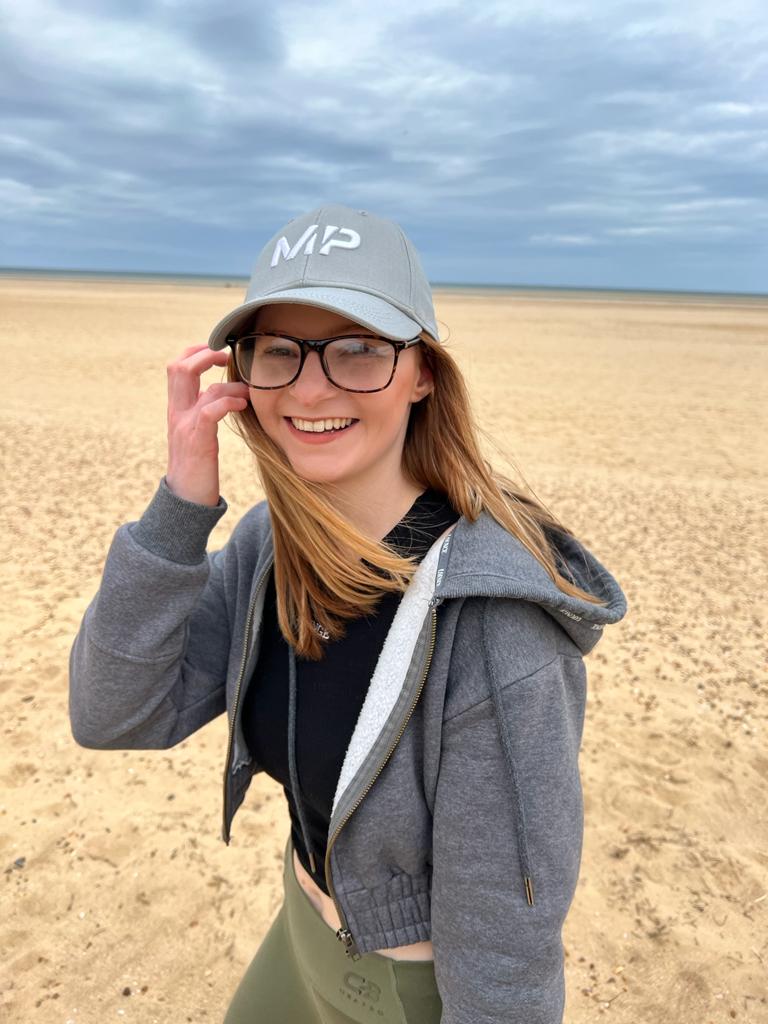
My story
I'm an anaesthetic nurse. I still work in theatres alongside the anaesthetists. I still walk into that anaesthetic room every shift.
I know what it feels like to be the last face someone sees before they go under — to hold their hand while they're frightened, to be the steady presence in that space between fear and trust, and to carry that patient with you long after the list has finished.
I didn't set out to become a coach. I set out — like so many of you — to make a difference. But I watched brilliant, caring colleagues around me quietly fall apart. And I recognised it, because I felt it too.
I started asking a different question. Not "how do I cope better?" — but "why is this happening, and what would it actually take to change it?"
That question led me to the deep, honest mindset work that now sits at the heart of everything I do with my clients. What I found on the other side was freedom. Not the absence of challenge, but the ability to meet challenge without it consuming me.
That is what I want for every single person I work with.
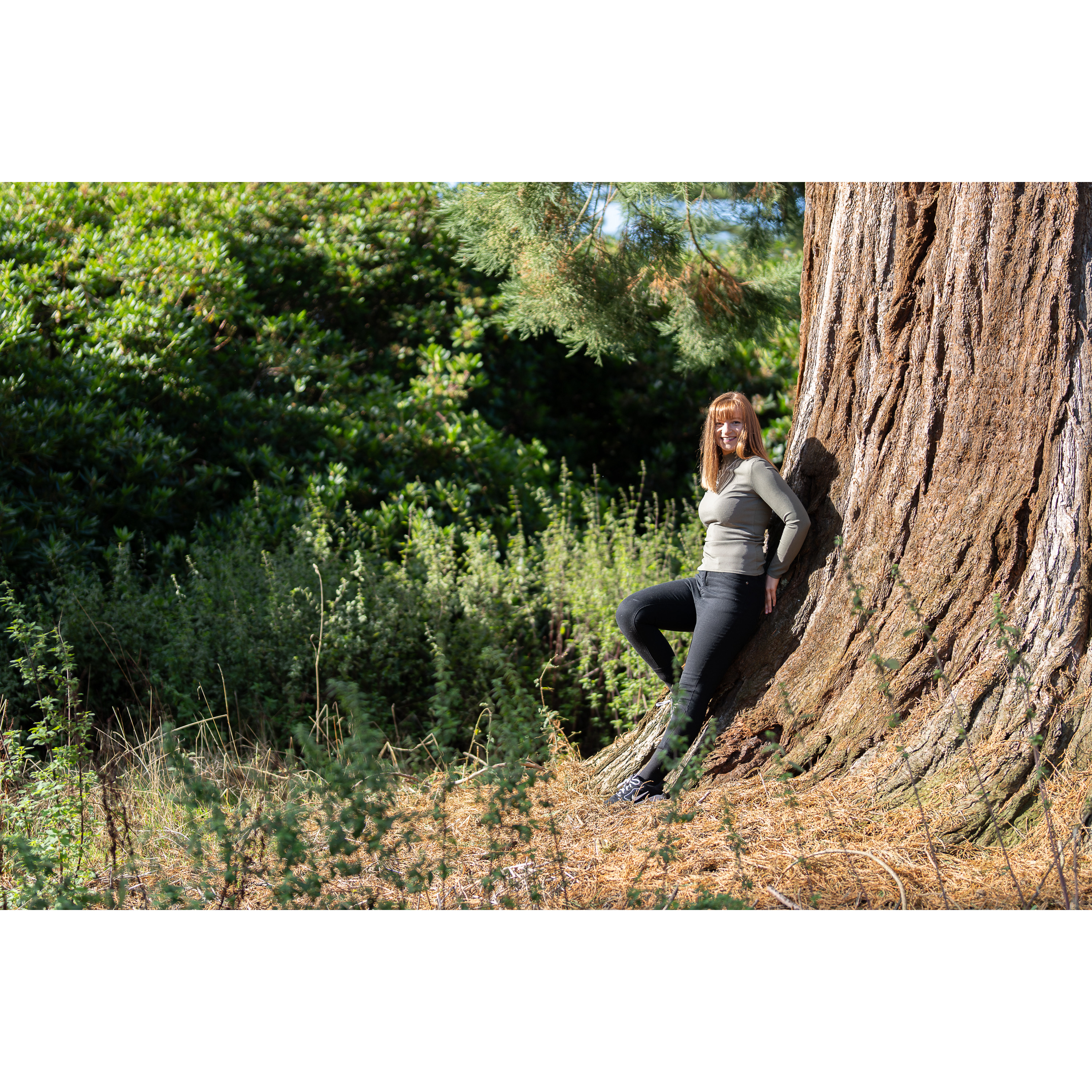
What I believe
• Having a conscience means you care. Carrying guilt every day means you're running on empty. They are not the same thing — and only one of them is serving you.
• You can be a deeply compassionate clinician and still have firm boundaries.
• The beliefs keeping you stuck were learned — which means they can be unlearned.
• Rest is not a reward you earn after you've given everything. It is a non-negotiable.
• You deserve the same level of care and compassion you give to others every single day.
How I work
My coaching is 1:1, personal, and built entirely around you. I don't work from a rigid script or a one-size-fits-all programme — every client I work with has a different story, different patterns, and different goals, and the work we do together reflects that.
What I bring to every session is warmth, honesty, and a genuine belief in your capacity to change. I'll challenge you — kindly and directly. I'll ask the questions you haven't been asked before. And I'll walk alongside you as the shifts begin to happen.
"This isn't about fixing you. You are not broken. This is about helping you build a relationship with your work and yourself that actually serves you."
Who I work with
I work with healthcare professionals of all kinds — nurses, doctors, midwives, paramedics, physiotherapists, occupational therapists, healthcare assistants, and anyone else who spends their days showing up for others.
What my clients have in common isn't their job title — it's the feeling. The weight. The sense that something needs to change, but not quite knowing how or where to start.
If that's you — I'd genuinely love to talk.
©MeganBenson. All rights reserved.